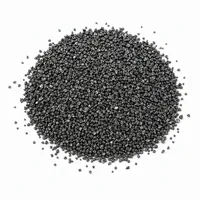
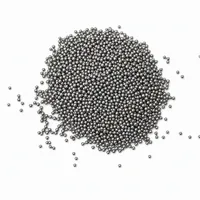
Media Blending Strategies: Mixing Shot and Grit for Throughput
When a blast room runs pure steel grit, cleaning speed drops. When it runs pure shot, the anchor profile is too shallow for the coating that follows. A delibera...
Published
13 Dec 2020
Category
Abrasives
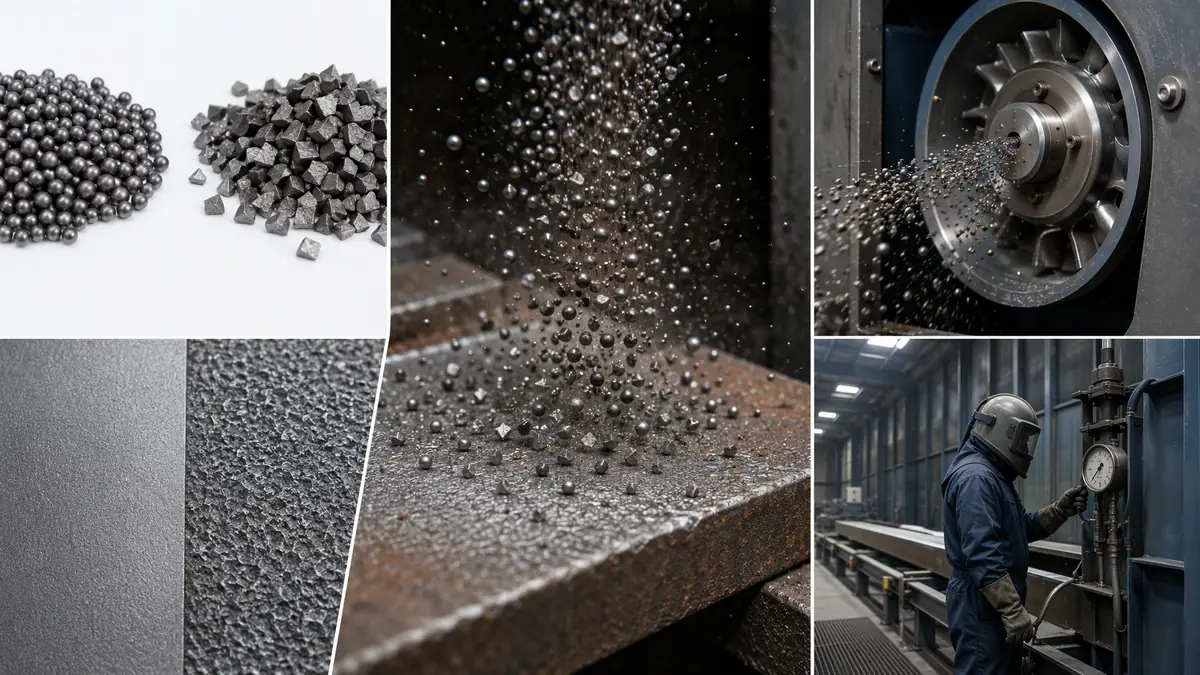
FIG. 01A visual breakdown of a steel shot grit bl...
A professional multi-panel editorial image for an article on media blending. It features a central action shot of a mixed abrasive stream creating a surface profile, surrounded by panels showing raw steel shot and grit, a blast wheel, a surface profile comparison, and a blast room operator checking
01 Introduction
When a blast room runs pure steel grit, cleaning speed drops. When it runs pure shot, the anchor profile is too shallow for the coating that follows. A deliberate steel shot grit blend solves both problems in a single pass — but only if the ratio, m…
02 Introduction
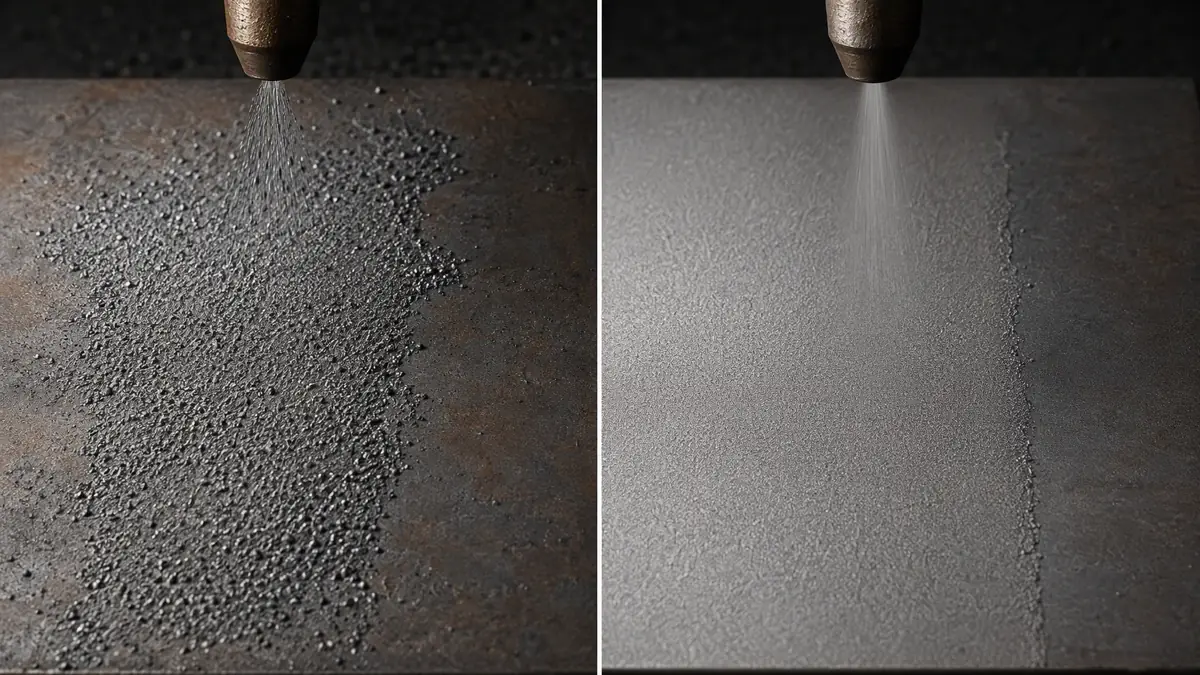
The trade-off in blast rooms: pure grit (left) cuts a profile but covers slowly, while pure shot (right) covers fast but leaves a shallow, peened surface.
A split-screen image comparing the results of blasting with pure steel grit and pure steel shot. The grit side shows a rough, angular surface with incomplete coverage, while the shot side shows a uniformly clean but smooth, peened surface, illustrating the core problem that media blending solves.
Every blast room operator who has chased a production target knows the trade-off. Steel grit cuts fast and leaves a sharp, angular profile that coatings grip well, but it breaks down quickly and can slow overall coverage on large, flat surfaces. Steel shot maintains its shape, rebounds efficiently, and covers area faster, yet it peens the surface without delivering the deep anchor pattern that many industrial coating specifications demand. The practical answer in many high-throughput shops is not to choose one over the other, but to blend them. The challenge is that a poorly managed blend degrades into two separate media streams inside the machine, wasting abrasive and producing inconsistent results. Understanding how a steel shot grit blend behaves — and how to keep it working as a blend — is what turns a simple idea into a reliable production strategy.
03 What Is a Steel Shot Grit Blend?
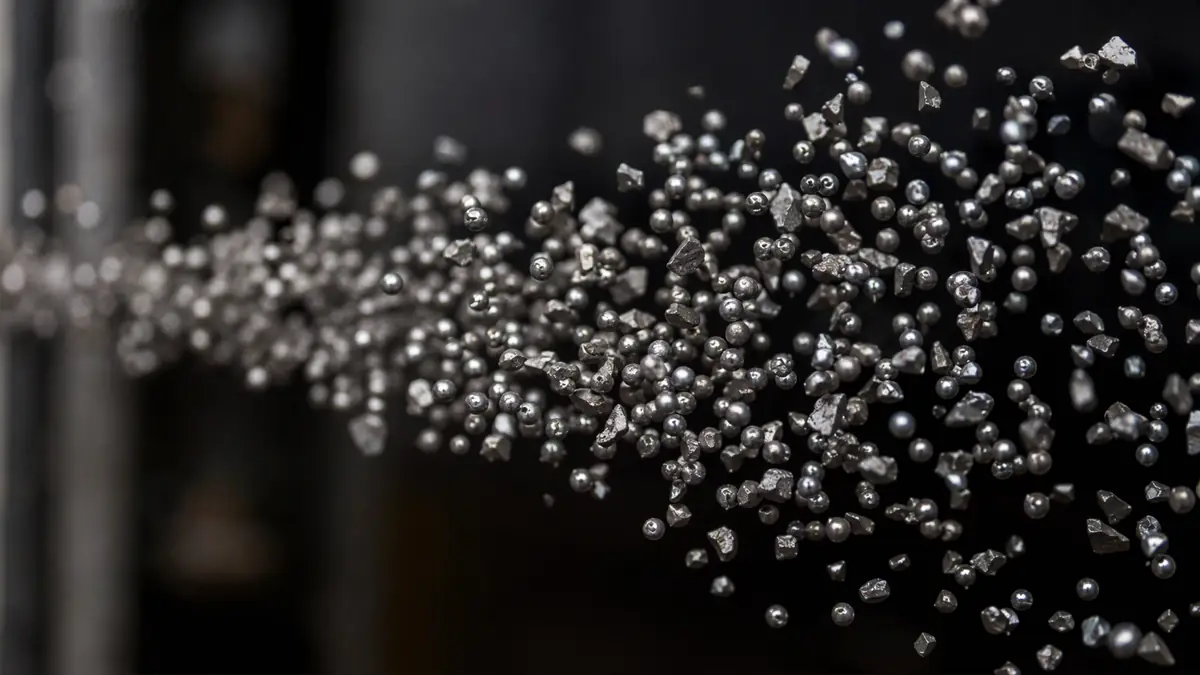
A true operational blend: spherical steel shot and angular steel grit traveling together as a single mixed stream toward the workpiece.
A high-magnification photograph showing a mixed abrasive stream composed of both spherical steel shot and angular steel grit particles. The image captures the concept of a controlled blend where both media types are combined and delivered simultaneously, distinct from single-media blasting.
A steel shot grit blend is a controlled mixture of spherical steel shot and angular steel grit, combined in a single abrasive charge and circulated through a wheel-blast or air-blast system. The shot component provides impact coverage and rebound energy; the grit component provides the cutting action that creates surface profile. In a properly maintained blend, the two media types travel together, strike the workpiece as a mixed stream, and return to the separator where they are classified and recirculated.
The concept is distinct from simply alternating between shot and grit in separate batches. A true operational blend runs continuously, and the separator plays a decisive role in keeping the mixture stable rather than allowing the machine to sort the media by size and shape.
04 Why a Blend Matters in High-Volume Blast Rooms
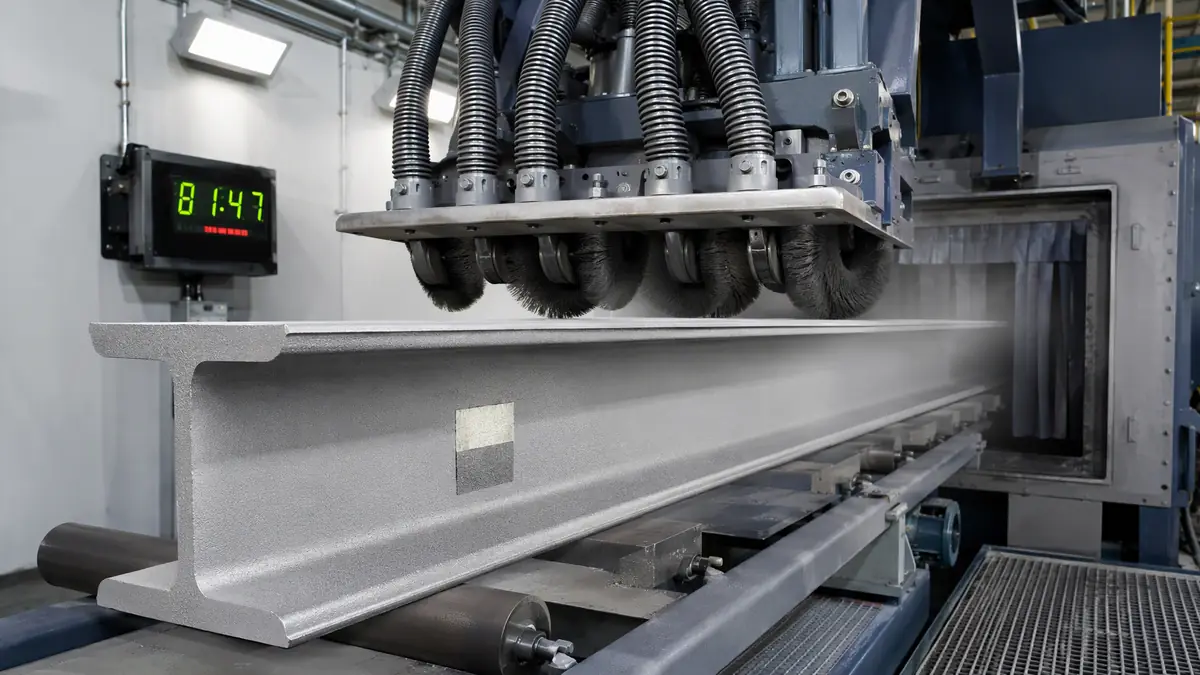
A correctly proportioned blend delivers both the cleaning speed for high throughput and the anchor profile required by coating specifications.
An industrial photograph of a high-volume blast room operation. A steel I-beam is being cleaned by a wheel-blast system, resulting in a uniform surface with a sharp anchor profile. The scene includes a cycle time gauge and a surface profile replica tape, visually linking throughput and quality contr
Pure grit operations often hit a ceiling on square-metre-per-hour throughput because the angular particles lose velocity faster after impact and require more wheel power or air volume to maintain coverage. Pure shot operations, by contrast, can leave a surface that fails the profile depth required for high-build epoxy, thermal spray bond coats, or zinc-rich primers. A correctly proportioned blend addresses both constraints:
Cleaning rate improves because the shot component carries energy deeper into the blast stream and rebounds to strike the surface multiple times.
Profile depth remains controllable because the grit component cuts the peaks and valleys that coating inspectors measure with replica tape or profilometers.
Media consumption can stabilise when the blend is managed well, because the shot cushions the grit to some extent and reduces the rate at which grit fractures into fines.
This is not a theoretical benefit. Blast rooms processing structural steel, heavy fabrications, or foundry castings routinely use mixed media to meet SA 2.5 or SSPC-SP 10 cleanliness while holding a 50–75 µm profile in a single station.
05 When a Blend Is the Right Choice — and When It Is Not
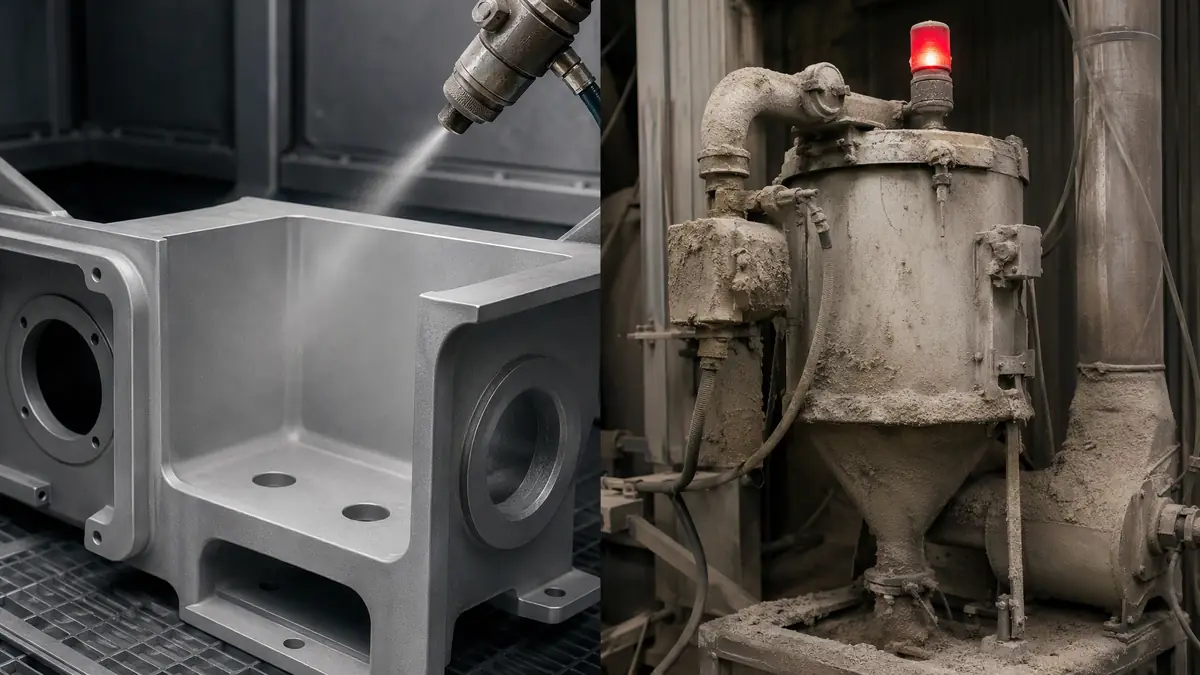
A blend excels on complex parts requiring a uniform profile (left), but is a poor choice when the separator cannot maintain the mix (right).
A split industrial photograph. The left side shows a mixed shot/grit stream effectively cleaning a complex steel fabrication with deep corners. The right side shows a small, poorly maintained air-wash separator clogged with dust, illustrating a condition where managing a stable blend is impractical.
A steel shot grit blend makes strong operational sense under these conditions:
The specification requires both near-white metal cleanliness and a minimum anchor profile in one blasting step.
The workpiece mix includes large flat surfaces and complex geometries where pure grit would be too slow and pure shot would not profile edges and corners adequately.
The blast room has a functioning air-wash or magnetic separator that can be adjusted to retain the desired size distribution of both media shapes.
Production targets demand consistent cycle times, and the cost of rework for low profile outweighs the cost of managing a blend.
A blend is a poor fit when:
The separator is worn, poorly adjusted, or undersized — it will strip out one component and destroy the ratio within a few cycles.
The coating specification demands a very fine or very coarse profile that sits outside the practical range of commercially available shot and grit sizes.
The job requires media recovery from floors or outdoor blasting, where contamination and losses make ratio control impractical.
The operation cannot commit to regular sieve analysis and top-up discipline; a neglected blend quickly becomes an unknown mixture that produces unknown results.
06 How the Shot Grit Ratio Affects Performance
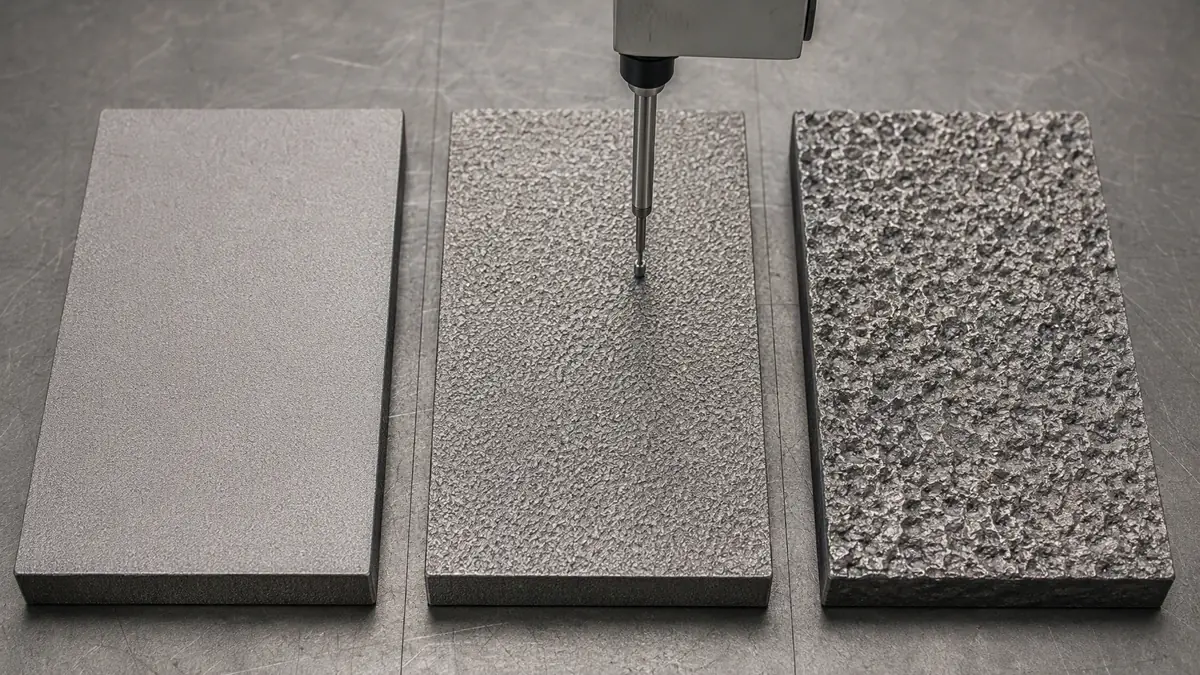
Visual comparison of surface profiles achieved with 70:30, 50:50, and 30:70 shot-to-grit ratios, from a fine finish to a deep anchor pattern.
A studio photograph of three steel test plates blasted with different steel shot to grit ratios. The plates demonstrate the visual and textural difference in surface profile, ranging from a shallow profile from a 70:30 mix to a deep, angular profile from a 30:70 mix. A profilometer is present for sc
There is no single correct shot grit ratio that works across all machines and applications. The ratio is always a compromise, and the right starting point depends on which problem hurts more: slow cleaning or insufficient profile.
Typical starting ratios observed in heavy fabrication blast rooms fall in these ranges:
70:30 shot-to-grit (by weight) — favours coverage speed; suitable when the required profile is modest (e.g., 40–50 µm) and the main goal is removing mill scale and light rust quickly.
50:50 shot-to-grit — a balanced starting point for general structural steel work where both cleaning rate and a defined profile of 50–75 µm are needed.
30:70 shot-to-grit — shifts priority toward profile depth and cutting action; used when the coating system demands a sharper anchor pattern and the workpiece has heavy corrosion or tenacious old coatings.
These ratios are starting points, not fixed recipes. The actual working ratio inside the machine will drift as media breaks down, as fines are removed by the separator, and as new abrasive is added. The only reliable way to know the working ratio is to take a representative sample from the operating mix and perform a sieve analysis — visual inspection of the blast pattern is not enough.
07 The Separator: The Control Point for Blend Stability
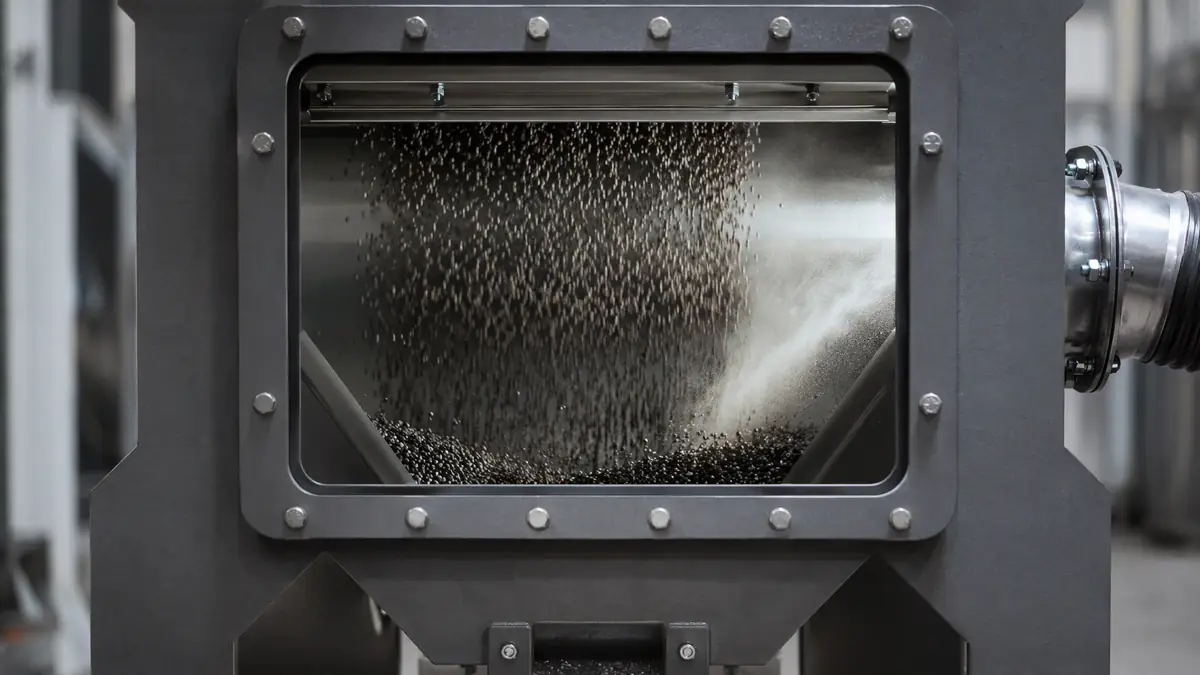
The separator is the critical control point: it must be tuned to retain both spherical shot and angular grit while removing only dust and fines.
A detailed close-up photograph of an industrial air-wash separator in a blast machine. The image shows a clean separation process where a curtain of mixed steel shot and grit is being classified, with good media falling into the return hopper and fines being extracted by the air stream, highlighting
The most overlooked variable in mixed media blasting is the separator adjustment. A blast machine separator does not know the operator wants a blend; it simply classifies particles by size, shape, and density. Because shot and grit of the same nominal size behave differently in an air wash or magnetic separator, an incorrectly set separator will preferentially remove one component and return the other.
Key separator considerations for a steel shot grit blend:
Air-wash separators rely on particle terminal velocity. Spherical shot falls differently than angular grit. If the air velocity is set too high, it can carry away usable grit along with fines, skewing the working mix toward shot. Too low, and fines accumulate, reducing cleaning efficiency.
Magnetic separators (common on wheel-blast machines) can be adjusted for drum speed and gap. They must be tuned to retain both media shapes in the desired size range.
Separator settings are blend-specific. A machine calibrated for 100% grit will not automatically work for a 50:50 blend. When changing over to a blend, expect to adjust the separator and then validate with a sieve analysis after several cycles.
A practical check: if the working mix becomes noticeably richer in shot after a few hours of operation, the separator is likely discarding grit that should have been returned. If the mix becomes dusty and cutting performance drops, fines are not being removed effectively.
08 Common Mistakes That Undermine a Blend
Even with the right starting ratio, several operational errors can turn a productive blend into a source of inconsistency:
Topping up with only one media type. When the operator adds only grit to compensate for perceived profile loss, the ratio shifts, and the cleaning rate may drop unexpectedly. Top-up should follow the target blend ratio by weight, not guesswork.
Ignoring the separator after a media change. Changing the abrasive charge without re-tuning the separator is the fastest way to lose the blend. The machine will sort the media, and the operator will be left fighting the result.
Using mismatched particle sizes. A blend of S280 shot and G80 grit may work; a blend of S280 shot and G25 grit will separate rapidly and produce uneven results. The nominal size ranges should overlap enough that the separator can treat them as a single working charge.
Assuming the blend is stable without measurement. A monthly sieve analysis is not enough for a high-volume blast room running two shifts. Weekly or even daily checks are appropriate when the blend is critical to meeting a coating specification.
Running the blend too long without purging fines. As grit fractures, the fines load increases. Beyond a certain point, the fines cushion the impact of both shot and grit, reducing cleaning rate and profile depth simultaneously. A consistent purge-and-top-up cycle maintains performance.
09 Evaluating Results: Cleaning Rate vs Profile
The success of a blend is measured by two outputs that must be tracked together:
Cleaning rate — typically measured in square metres per hour or cycle time per workpiece. A drop in cleaning rate without a change in workpiece type often signals a shift in the blend toward too much grit (or excessive fines).
Surface profile — measured with replica tape, a profilometer, or comparator coupons per the relevant standard. A profile that trends too low suggests the grit component is being depleted or broken down faster than it is being replenished.
Operators should record both metrics when the blend is fresh and stable, then monitor for drift. A blend that was delivering 75 µm profile and 20 m²/hour may, after 40 hours of operation without adjustment, deliver 45 µm profile at the same cleaning rate — or maintain profile but slow down. The corrective action depends on which parameter has moved, and that can only be diagnosed with measurement, not visual judgement.
10 Implementation Notes for Blast Room Teams
Introducing a steel shot grit blend into an existing blast room requires a few deliberate steps:
Start with a clean machine. If the machine previously ran a single media type, empty it completely. Residual media of a different size or shape will contaminate the blend from the first cycle.
Charge the blend by weight, not volume. Use a known weight of each component to achieve the target ratio. A weigh scale is essential; bucket estimates introduce unnecessary variation.
Adjust the separator immediately after charging. Follow the machine manufacturer’s procedure for setting air wash velocity or magnetic drum parameters, then validate with a sample.
Establish a top-up protocol. Decide the top-up ratio (which may differ slightly from the initial charge ratio depending on how the blend wears) and the trigger point for adding media — typically based on amperage draw on wheel motors or observed blast pattern density.
Document the starting parameters and results. Record the initial ratio, separator settings, cleaning rate, and profile achieved. This baseline makes troubleshooting possible later.
Safety note: Any change to abrasive media should be accompanied by a review of the dust collector’s operating conditions. A blend that generates a different fines distribution may affect filter loading and requires confirmation that the dust collection system remains within its design parameters.
11 Alternatives When a Blend Is Not Practical
For operations that cannot maintain blend discipline — whether due to separator limitations, lack of measurement tools, or job variety — two alternatives are worth considering:
Staged blasting: Run a pure grit pass to establish profile, followed by a pure shot pass to clean and uniform the surface. This doubles handling but eliminates blend management.
Single-media optimisation: Select a grit size and hardness that maximises coverage for the available wheel power, and accept a slightly longer cycle time in exchange for process simplicity. In some shops, the labour cost of managing a blend outweighs the throughput gain.
12 Conclusion
A steel shot grit blend is not a set-and-forget solution. It is an operational strategy that trades the simplicity of a single abrasive for the throughput and profile control that high-volume blast rooms need. The blend works when the ratio is chosen deliberately, the separator is tuned to sustain it, and the results are measured regularly. It fails when operators treat it as a mystery mixture that drifts with every top-up.
For blast room teams willing to apply the same discipline to media management that they apply to wheel maintenance and dust collection, mixed media blasting delivers a genuine production advantage: faster cleaning with a specification-grade anchor profile in one pass.
13 Frequently Asked Questions
What is the ideal steel shot to grit ratio for structural steel blasting?
There is no single ideal ratio; the correct starting point depends on your priority. A 50:50 blend by weight is a common starting point for general structural steel requiring both cleaning speed and a 50–75 µm profile. If cleaning speed is the main bottleneck, start with a 70:30 shot-to-grit mix. If achieving a deep anchor pattern on heavily corroded steel is critical, a 30:70 mix shifts priority to cutting action.
How do I stop my blast machine from separating the shot and grit blend?
The separator must be tuned specifically for the blend, not for a single media type. In an air-wash separator, adjust the air velocity so it removes fines without carrying away usable angular grit. For magnetic separators, adjust the drum speed and gap to retain both media shapes. Validate the setting by performing a sieve analysis after several operating cycles to confirm the working mix matches your target ratio.
When should I avoid using a mixed media blend?
Avoid a blend if your separator is worn or undersized, as it will strip out one component and destroy the ratio. It is also a poor fit for outdoor blasting where media recovery is impractical, or when a coating specification demands a very fine or coarse profile outside the range of commercially available shot and grit sizes. Operations unable to commit to regular sieve analysis and disciplined top-up should also avoid blending.
How do I top up a working shot and grit mix correctly?
Always top up using the target blend ratio by weight, not by guessing or adding only one media type. If you add only grit to fix a perceived profile loss, you will unknowingly shift the ratio and can reduce your cleaning rate. Pre-mix the shot and grit in the correct proportion before adding it to the machine, or add each component separately in measured amounts based on your target ratio.
What are the signs that my steel shot grit blend is out of balance?
A drop in cleaning rate without a change in the workpiece often signals too much grit or excessive fines in the mix. A surface profile that trends too low suggests the grit component is being depleted or broken down faster than it is replenished. If the working mix becomes visibly richer in shot after a few hours, the separator is likely discarding usable grit and needs adjustment.
How often should I perform a sieve analysis on a blended abrasive charge?
For a high-volume blast room running multiple shifts, weekly or even daily sieve checks are appropriate when the blend is critical to meeting a coating specification. A monthly analysis is insufficient because the working ratio drifts continuously as media breaks down and fines are removed. Regular measurement is the only reliable way to know your true operating mix and correct it before parts fail inspection.
14 Solution
Selecting the right shot and grit sizes for your target profile and cleaning rate starts with reliable abrasive specifications. Compare steel shot and steel grit options available on SPA2Z to evaluate size ranges, hardness grades, and compatibility with your blast equipment. For technical guidance on blend ratios for your specific application or to enquire about bulk availability, contact the SPA2Z sales team with your surface preparation requirements.
15 Get a quote
Get a quote
Tell us what you need. We reply within one business day.
Recommended products
Catalogue products matched to this article. Ask for grade, quantity and destination.