ABRASIVES GUIDE

Recyclable vs Expendable Blast Media: A Total Cost Comparison for Plant Buyers

Unit price tells only a fraction of the story. A ₹40/kg expendable mineral abrasive can easily cost more per square meter of cleaned steel than a ₹120/kg recycl...

Published
26 Aug 2016
Category
Abrasives
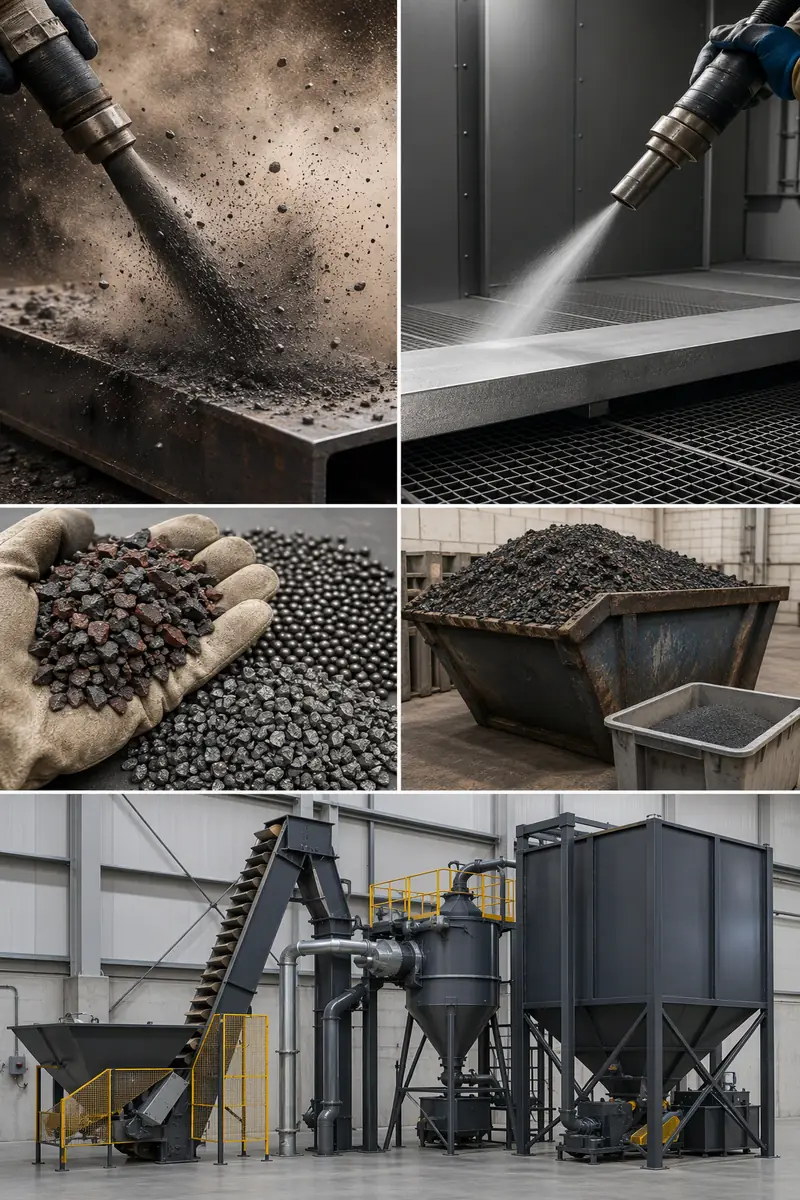
Multi-panel industrial collage comparing recyclable steel grit blasting with expendable slag blasting, showing media, waste,
FIG. 01A visual TCO comparison: recyclable metall...

A professional multi-panel editorial image for a plant buyer's guide comparing the total cost of ownership of recyclable and expendable blast media. Panels show blasting operations, media close-ups, waste generation, manual handling, and automated reclaim systems, visually reinforcing the article's

Introduction

Unit price tells only a fraction of the story. A ₹40/kg expendable mineral abrasive can easily cost more per square meter of cleaned steel than a ₹120/kg recyclable metallic abrasive—once you account for consumption rate, disposal, freight, and labo…

Introduction

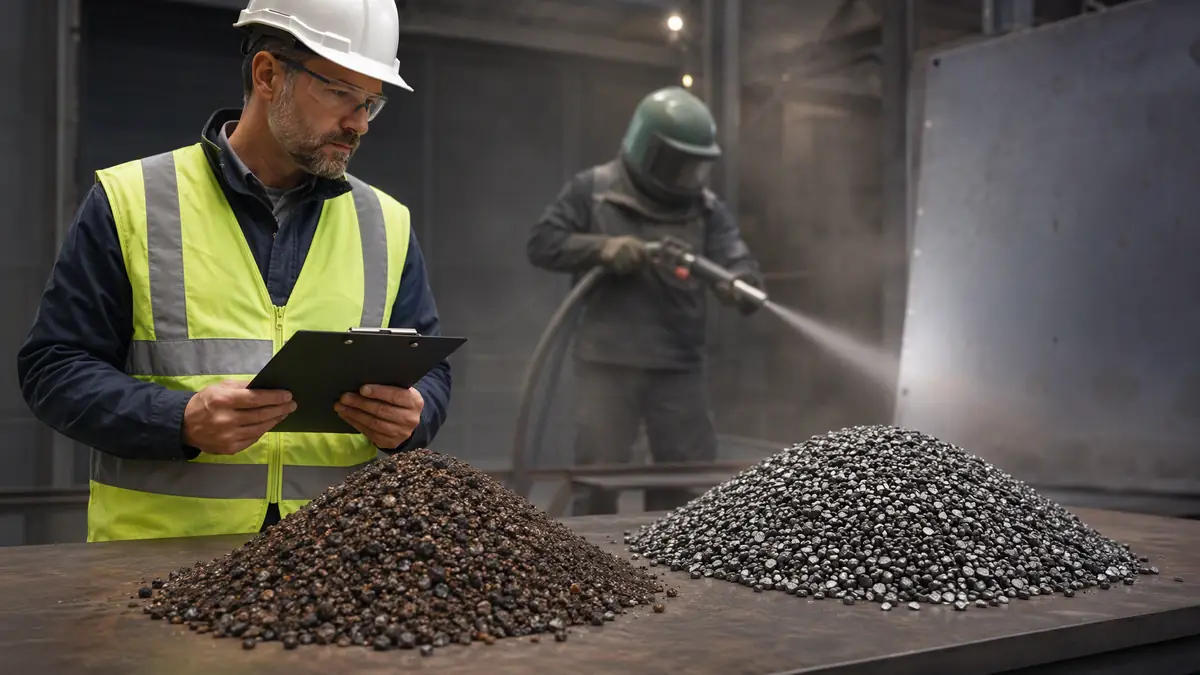
Plant buyer evaluating recyclable steel grit versus expendable copper slag blast media in an industrial facility.
A plant buyer compares recyclable steel grit with expendable copper slag, considering more than just the unit price per kilogram.

A procurement professional stands in an abrasive blasting facility comparing two types of blast media, symbolizing the total cost of ownership decision between recyclable and expendable abrasives.

Plant buyer evaluating recyclable steel grit versus expendable copper slag blast media in an industrial facility.

Every abrasive blasting operation consumes media. The choice between a recyclable abrasive (steel grit, steel shot, aluminum oxide) and an expendable one (garnet, copper slag, coal slag) shapes more than the consumables line on a purchase order. It drives freight volumes, waste-disposal charges, classifier maintenance, and the number of hours a nozzle actually spends on steel.

Procurement teams often default to the lowest price per kilogram. That approach systematically hides the largest cost drivers. This article gives you a structured way to evaluate both media families on total cost—covering media life, cycles, reclaim system investment, disposal, and hidden operational penalties—so you can make a defensible, data-backed decision for your plant.

What Is the Real Difference Between Recyclable and Expendable Blast Media?

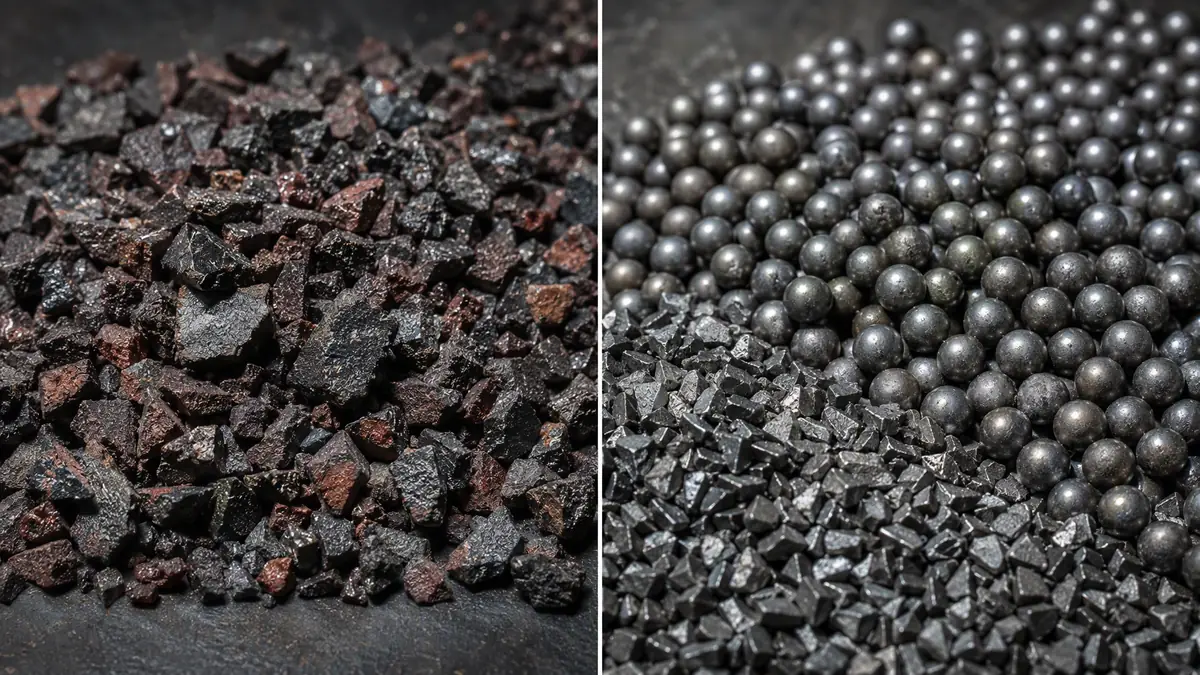
Close-up comparison of fractured expendable garnet particles versus uniform recyclable steel shot and grit.
Expendable media (left) fractures on impact and is used once, while recyclable metallic media (right) withstands hundreds of cycles.

A detailed macro comparison showing the physical difference between single-use expendable mineral abrasives and durable, multi-cycle recyclable metallic abrasives.

Close-up comparison of fractured expendable garnet particles versus uniform recyclable steel shot and grit.

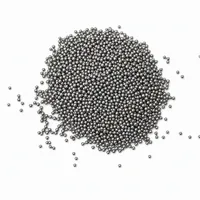
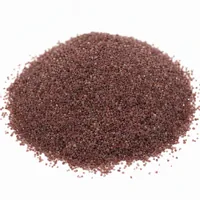
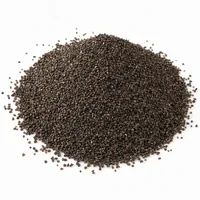
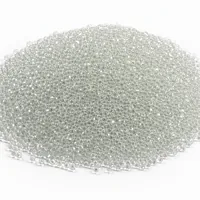
Expendable media are single-pass abrasives. They fracture on impact, degrade rapidly, and are typically used once before becoming waste. Common examples include garnet sand, copper slag, coal slag, and crushed glass. They are widely used in open-nozzle blasting where recovery is impractical.

Recyclable media are engineered to withstand multiple impact cycles. Metallic abrasives (steel grit, steel shot, chilled iron) and tough mineral abrasives (aluminum oxide, silicon carbide) can be recovered, cleaned, and reused dozens to hundreds of times. They are the standard choice in enclosed blasting systems—shot blast machines, blast rooms with recovery floors, and cabinets—where a media reclaim system is already part of the equipment.

The distinction matters because it changes the cost equation from price per kilogram to cost per square meter cleaned or cost per kilogram of rust removed.

Why Unit Price Alone Misleads Procurement

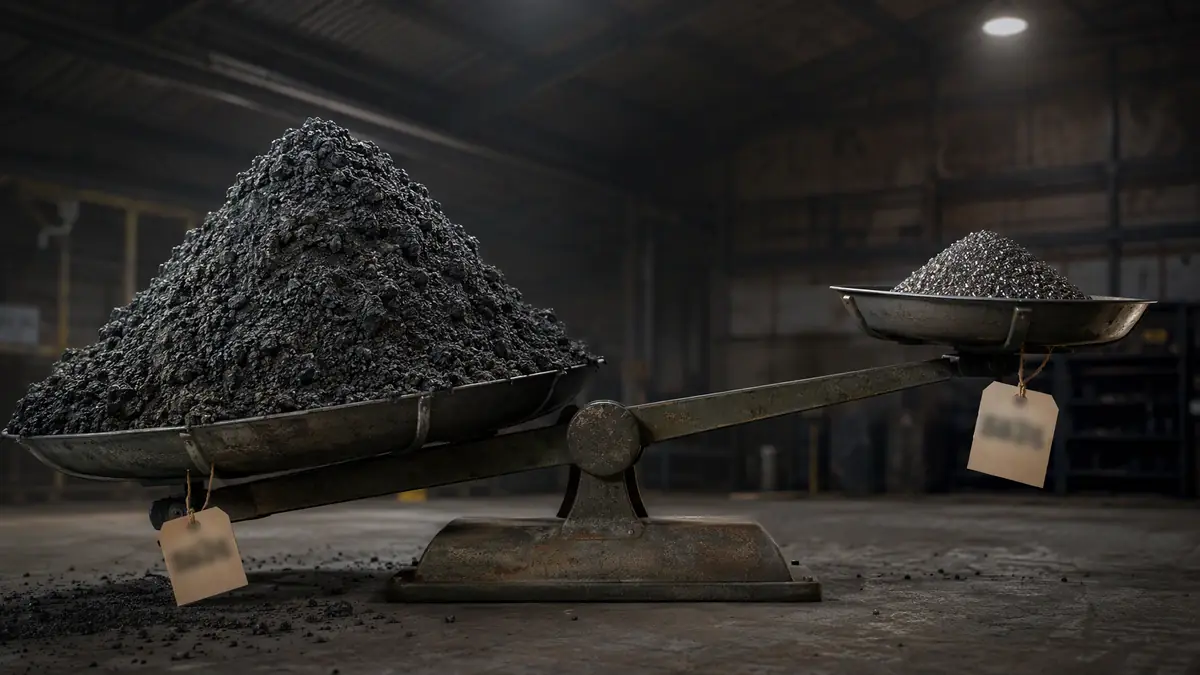
Industrial scale tipped heavily by a large volume of cheap expendable media outweighing a small pile of expensive recyclable
A low unit price can be misleading: the sheer volume of expendable media consumed often outweighs the higher-priced recyclable alternative in total cost.

A conceptual image using an industrial scale to show that the high consumption volume of cheap expendable media creates a greater total cost burden than a smaller amount of expensive recyclable media.

Industrial scale tipped heavily by a large volume of cheap expendable media outweighing a small pile of expensive recyclable

Three factors make the lowest unit price a poor decision criterion:

  1. Consumption rate. A ₹35/kg expendable abrasive might be consumed at 30 kg/m² on heavily scaled steel, while a ₹130/kg steel grit might consume only 0.3 kg/m² because it cycles 200 times.
  2. Disposal burden. Single-pass media becomes hazardous or non-hazardous waste. Freight to landfill, tipping fees, and handling labour add ₹2–₹8 per kg of spent media in many industrial regions—costs that vanish when media recycles.
  3. Non-blasting time. More media consumption means more frequent pot refills, more downtime, and more labour spent handling abrasive rather than blasting.

A TCO model captures these variables so the comparison reflects operational reality.

Building a Simple TCO Model: Recyclable vs Expendable

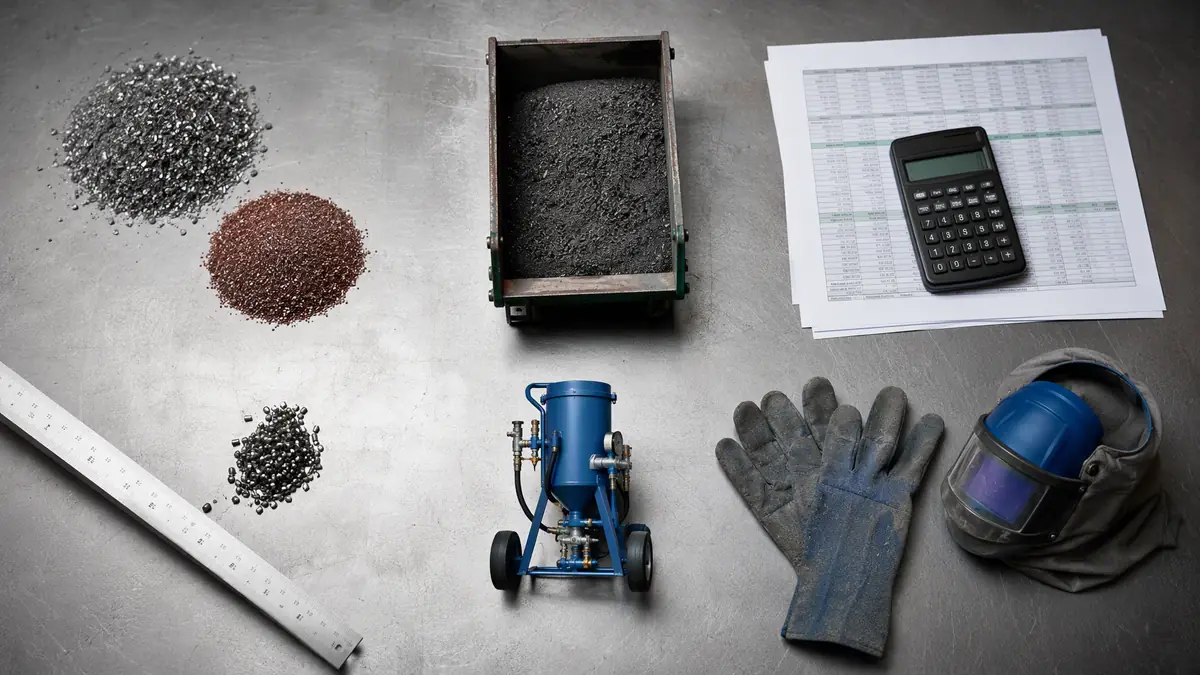
Overhead flat lay of TCO calculation elements including media samples, calculator, and cost factor symbols on a steel table.
A structured TCO model accounts for media purchase, consumption rate, disposal, labor, and equipment amortization—not just the price per kilogram.

An organized flat-lay image representing the five key cost buckets in a blast media total cost of ownership model, arranged on an industrial work surface.

Overhead flat lay of TCO calculation elements including media samples, calculator, and cost factor symbols on a steel table.

A practical TCO calculation for blast media includes five cost buckets:

1. Media Purchase Cost (per kg or per tonne)

The visible number on the quote. Recyclable media typically costs 2× to 4× more per kg than expendable media. This is where the conversation usually stops—and where the mistake is made.

2. Media Consumption Rate (kg per square meter or per hour)

This is the multiplier that flips the comparison. A steel grit operating in a shot blast machine may lose only 0.2–0.5 kg per square meter through fracture and fines carry-out. An expendable garnet in an open nozzle may consume 15–35 kg/m² on the same profile. Even at one-tenth the unit price, the expendable media cost per square meter can be higher.

To calculate consumption rate accurately, you need:
- Blast pressure and nozzle size
- Substrate condition (mill scale, rust grade, existing coating)
- Target surface profile
- Media hardness and friability

Typical ranges (confirm against your process data):
- Steel grit (recyclable): 0.2–0.8 kg/m² per cycle, with 100–300+ cycles before replacement
- Garnet (expendable): 8–30 kg/m², single use
- Copper slag (expendable): 15–40 kg/m², single use

3. Media Life and Cycles

Recyclable media doesn't last forever. Each impact cycle generates fines, fractures particles, and gradually shifts the size distribution. A properly adjusted air-wash classifier removes spent fines and returns usable media to the operating mix. The number of useful cycles depends on:
- Media type (steel shot outlasts steel grit; aluminum oxide outlasts garnet)
- Impact energy (higher velocity = faster breakdown)
- Classifier efficiency (poor separation shortens effective media life)

A well-maintained steel grit operating mix in a shot blast machine might turn over 150–250 times before the working volume needs a full recharge. Aluminum oxide in a cabinet can cycle 8–15 times. These numbers vary widely by application—use your own media consumption logs to establish a baseline.

4. Disposal and Environmental Cost

Expendable media generates solid waste. Disposal cost includes:
- Freight to landfill or processing facility
- Tipping fees (₹1.5–₹6/kg depending on region and hazard classification)
- Handling labour to move spent media from hoppers to disposal bins
- Regulatory overhead if the media is contaminated with lead, chromate, or other hazardous coatings removed during blasting

Recyclable media generates a small waste stream—primarily classifier fines and dust collector material. The volume is typically 2–5% of the equivalent expendable waste stream. For a plant blasting 500 tonnes of steel per year, the disposal cost differential alone can justify a reclaim system.

5. Labour and Downtime

Every kilogram of media that passes through the nozzle must be handled at least twice: once into the pot or hopper, and once out as waste (or through the reclaim loop). Expendable media multiplies handling labour. A two-man blasting crew spending 15 minutes per hour refilling pots and clearing spent abrasive is losing 25% of productive nozzle time. Recyclable media in a closed-loop system reduces that to periodic top-ups and classifier maintenance.
When Expendable Media Is the Right Choice

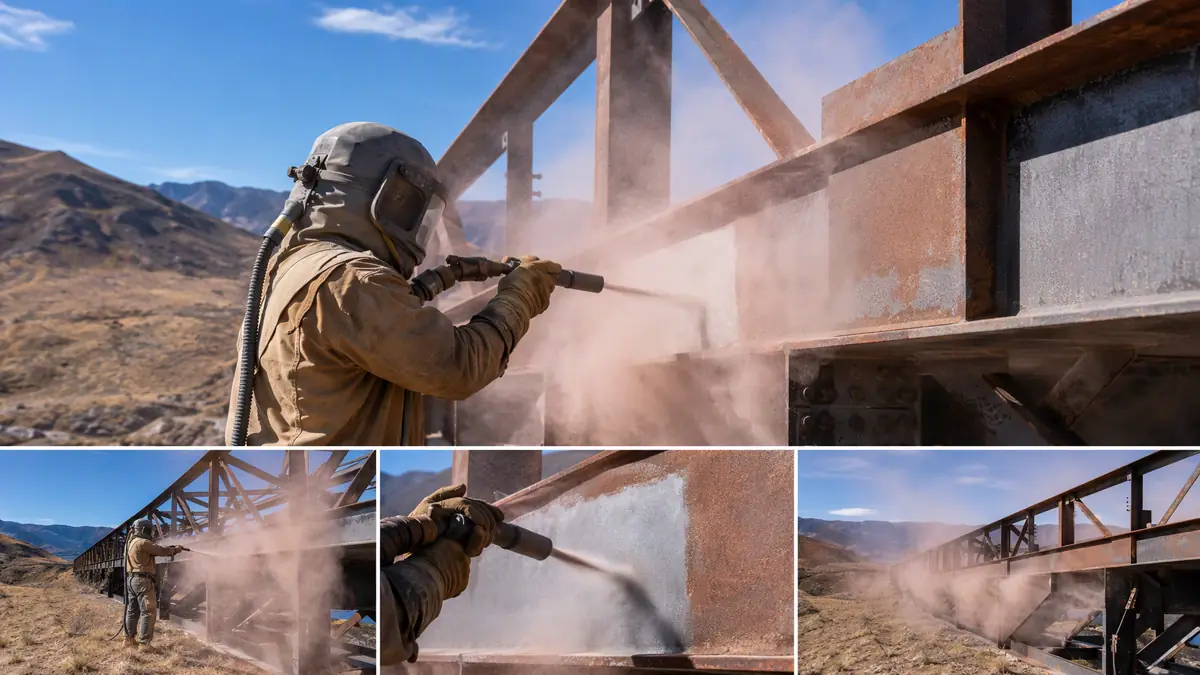
Worker performing open field abrasive blasting on a steel bridge using expendable garnet media without recovery equipment.
For remote field blasting on structures like bridges, expendable media is the practical choice when recovery is cost-prohibitive.

A field blasting crew works on a steel bridge, demonstrating a scenario where single-pass expendable abrasives are the correct economic choice due to the impossibility of media recovery.

Worker performing open field abrasive blasting on a steel bridge using expendable garnet media without recovery equipment.

Recyclable media is not universally superior. Expendable media wins in specific scenarios:

  • Field blasting without recovery. Open blasting on bridges, tanks, or pipelines where recovery is impractical or cost-prohibitive.
  • One-time or low-volume jobs. When total media consumption is small, the capital cost of a reclaim system cannot be amortised.
  • Substrate sensitivity. Some non-ferrous substrates cannot tolerate iron contamination from steel abrasives. Garnet or aluminum oxide (used expendably) avoids this.
  • Silica-free requirements with low budgets. Crushed glass or garnet provides a silica-free expendable option without the upfront cost of recyclable mineral abrasives.

In these cases, the TCO calculation shifts toward optimising the expendable choice—selecting the right mesh size and hardness to maximise cleaning rate and minimise consumption per square meter.

When Recyclable Media Delivers Lower TCO

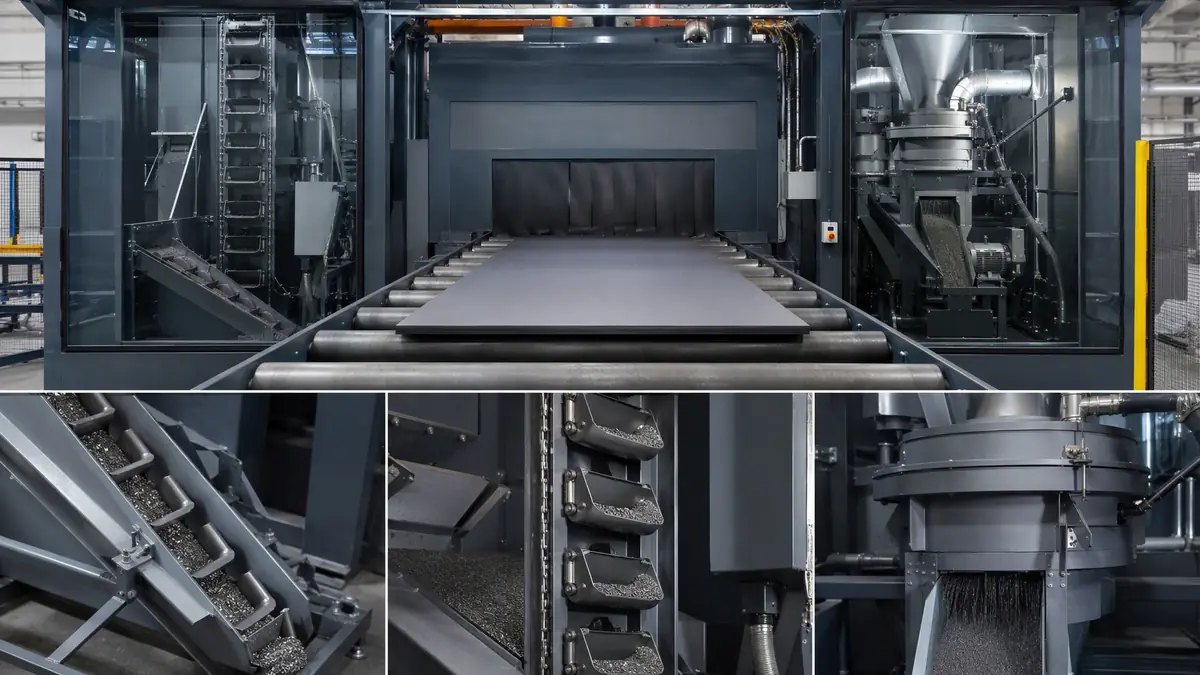
Automated shot blast machine with integrated media reclaim system processing a steel plate in a clean factory.
In continuous, high-volume enclosed blasting, recyclable steel grit combined with an automated reclaim system delivers the lowest total cost per square meter.

An interior view of a wheel blast machine showing the media reclaim system, illustrating the ideal high-volume application where recyclable media provides a clear TCO advantage.

Automated shot blast machine with integrated media reclaim system processing a steel plate in a clean factory.

Recyclable media becomes the clear TCO winner when:

  • Blasting is a continuous or high-volume process. Shot blast machines, tumble blast, and production blast rooms amortise reclaim equipment across thousands of square meters.
  • The reclaim system already exists. If your plant operates a wheel blast machine, the classifier, elevator, and separator are already capitalised. Using expendable media in that system would be a costly mismatch.
  • Disposal costs are high. Tight environmental regulations or remote landfill locations amplify the waste cost penalty of single-pass media.
  • Consistent surface profile is critical. Recyclable media maintains a more stable operating mix, producing repeatable anchor patterns—important for coating adhesion on structural steel and pressure vessels.

Comparison: Key TCO Drivers at a Glance

TCO FactorExpendable Media (e.g., garnet, slag)Recyclable Media (e.g., steel grit, Al₂O₃)
Unit price per kgLow (₹15–₹60 typical range)High (₹80–₹200+ typical range)
Consumption per m²High (8–40 kg)Low (0.2–1.0 kg net loss)
Media lifeSingle use8–300+ cycles (media-dependent)
Disposal volumeLarge (≈ consumption volume)Small (fines only, ~2–5% of throughput)
Labour for media handlingHigh (frequent refill, waste removal)Low (top-up and classifier maintenance)
Capital equipment requiredNone to minimalReclaim system (classifier, elevator, separator)
Best fitOpen field blasting, low-volume, one-off jobsEnclosed blasting, production lines, high-volume shops

Note: Ranges are illustrative. Validate against your actual consumption data, media specifications, and local disposal rates.

Common Mistakes That Inflate Abrasive TCO

1. Ignoring classifier maintenance on recyclable systems.
A poorly adjusted air-wash classifier sends good media to the waste stream and returns fines to the operating mix. The result: higher media consumption and slower cleaning. Regular classifier inspection and tuning directly reduces media replacement cost.

2. Choosing media by price per kg alone.
This is the central error this article addresses. A ₹30/kg slag abrasive that consumes 25 kg/m² costs ₹750/m² in media alone. A ₹140/kg steel grit consuming 0.4 kg/m² costs ₹56/m². The unit price was 4.7× higher; the square-meter cost is 13× lower.

3. Overlooking freight and disposal in the purchase decision.
A tonne of expendable media delivered at ₹35,000 becomes roughly 1.2 tonnes of waste (media + removed coating + moisture). If disposal costs ₹4/kg, that adds ₹4,800 per tonne of media purchased—a 14% cost increase invisible on the abrasive invoice.

4. Running recyclable media past its useful life.
Media that has degraded to fines loses cutting speed. Operators compensate by increasing blast time, raising labour and energy costs. Tracking media consumption and establishing a recharge schedule prevents this silent cost creep.

Practical Steps to Evaluate Your Media TCO

  1. Measure your actual consumption rate. Track kg of media used per square meter cleaned (or per tonne of castings processed) over a representative production period. Use weigh scales on media additions and waste bins.
  2. Calculate your true disposal cost. Include freight, tipping fees, labour for waste handling, and any regulatory compliance costs. Divide by kg of media consumed to get a disposal cost per kg.
  3. Factor in downtime. Record time spent on media-related tasks—refilling, clearing blockages, emptying waste hoppers. Convert to lost nozzle time and multiply by your hourly blasting cost rate.
  4. Model both scenarios. Build a simple spreadsheet with the five TCO buckets above. Compare your current media against a recyclable alternative using realistic cycle-life estimates from the media supplier.
  5. Validate with a controlled trial. Run a batch with the alternative media, measure all five cost buckets, and compare. A single trial on your actual work mix is worth more than any generic cost model.

Conclusion

The choice between recyclable and expendable blast media is a TCO decision, not a unit-price decision. Expendable media serves an essential role in open-field and low-volume work where recovery is impractical. But for any continuous or enclosed blasting operation, recyclable media typically delivers a lower cost per square meter—often by a factor of 5× to 10×—once consumption rate, disposal, and labour are properly accounted for.

The most expensive abrasive in your plant is the one that costs the least per kilogram but consumes the most time, freight, and landfill space. Run the numbers on your own process data. The answer usually becomes clear within a few lines of a spreadsheet.

Frequently Asked Questions

How do I calculate the true cost per square meter for blast media?

Divide the media purchase cost per kilogram by the number of square meters one kilogram cleans. For recyclable media, factor in the number of cycles. A ₹140/kg steel grit that cycles 200 times and loses 0.4 kg/m² has a much lower cost per square meter than a ₹30/kg expendable slag that consumes 25 kg/m² in a single pass. Always include disposal, freight, and labor costs for a complete picture.

When does it make more sense to use expendable media despite the higher waste?

Expendable media is the right choice for field blasting where recovery is impossible, one-time or very low-volume jobs where reclaim equipment cannot be justified, and when blasting non-ferrous substrates that cannot tolerate iron contamination from steel abrasives. It also serves as a silica-free option when the budget does not allow for recyclable mineral abrasives.

What hidden costs are typically missed when comparing abrasive media?

The most commonly missed costs are spent media disposal, including freight, landfill tipping fees, and labor for handling waste. Also overlooked is the non-productive labor time spent refilling blast pots and clearing spent abrasive, which can consume a significant portion of a shift. These costs are drastically reduced with a closed-loop recyclable media system.

How many times can steel grit or aluminum oxide be recycled?

Steel grit in a well-maintained shot blast machine can typically cycle 150 to 250 times before the working mix needs a full recharge. Aluminum oxide in a blast cabinet has a shorter life, usually recycling 8 to 15 times. The actual number depends heavily on impact velocity, the material being blasted, and the efficiency of the classifier in removing fines.

What is the most common mistake that drives up costs in a recyclable media system?

Neglecting classifier maintenance is the most common and costly mistake. A poorly tuned air-wash classifier will throw good, usable media into the waste stream while recirculating broken-down fines. This simultaneously increases media replacement costs and slows down cleaning rates, undermining the entire TCO advantage of the recyclable system.

Can I use expendable media in a shot blast machine to save on purchase price?

No, this is a costly mismatch. Shot blast machines and blast rooms with recovery floors are designed for recyclable media. Expendable media will fracture on first impact, rapidly clog the classifier, elevator, and dust collector with a massive volume of waste. This will cause equipment failure, halt production, and create a disposal nightmare far exceeding any savings on the media purchase price.

How do I get a reliable consumption rate for my specific blasting operation?

The most reliable method is to track your own process data. Record the total media added to a machine or blast pot over a known number of operating hours or square meters cleaned. For recyclable media, log the amount of top-up media added over a week of steady production. This real-world data will always be more accurate than generic estimates for building your TCO model.

Solution

Building an accurate TCO model starts with knowing what media options are available and what specifications they carry. Compare abrasive types—steel grit, garnet, aluminum oxide, copper slag—on the SPA2Z Abrasives category to understand unit pricing, available grades, and typical applications. For a specific recommendation based on your substrate, production volume, and existing equipment, contact the SPA2Z sales team with your process parameters. A few minutes of data-sharing can replace guesswork with a defensible procurement decision.

Get a quote

Get a quote

Tell us what you need. We reply within one business day.

Sending…
Need a price? Ask us here.