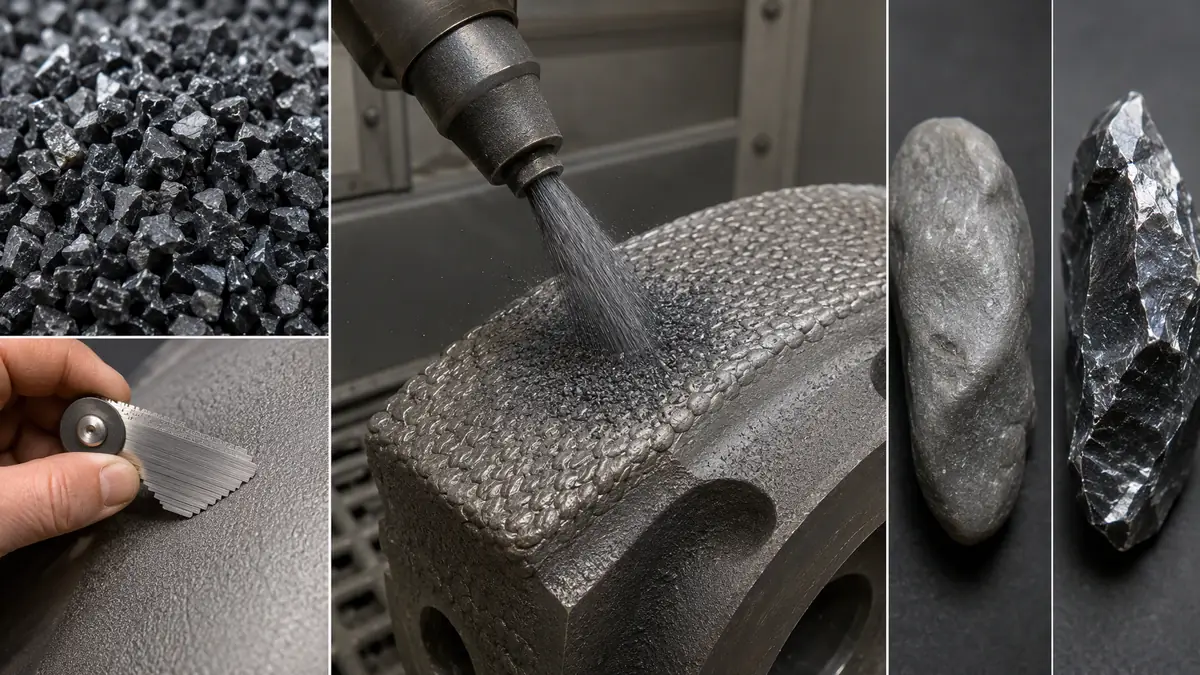
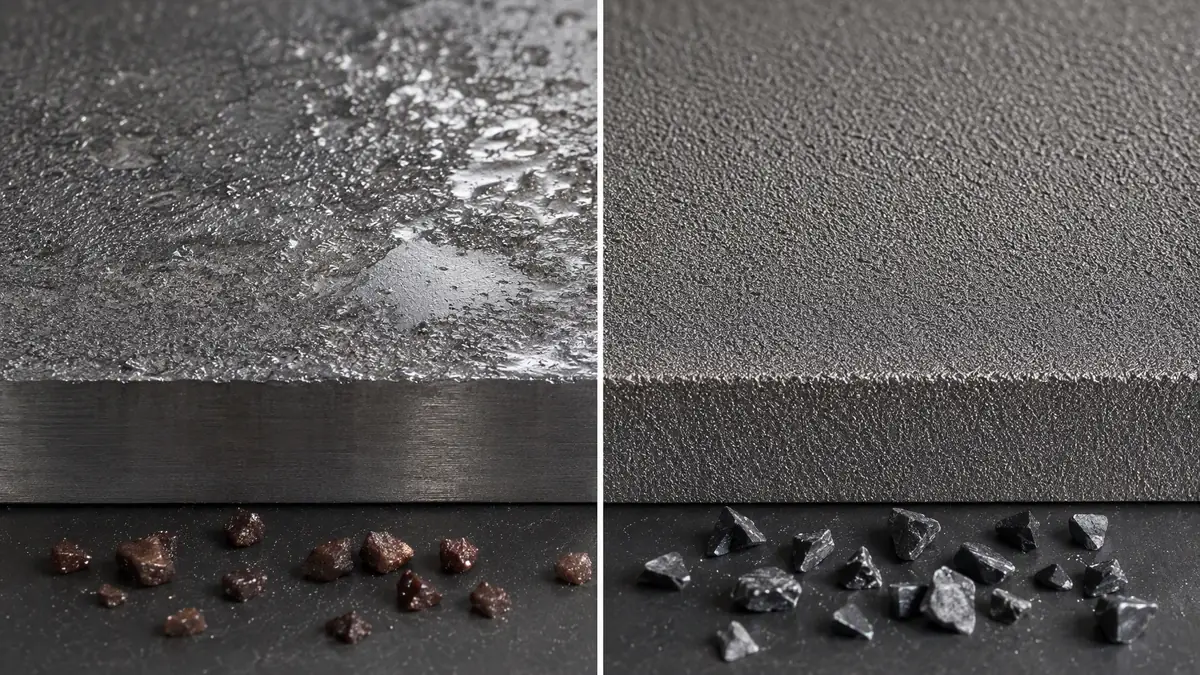
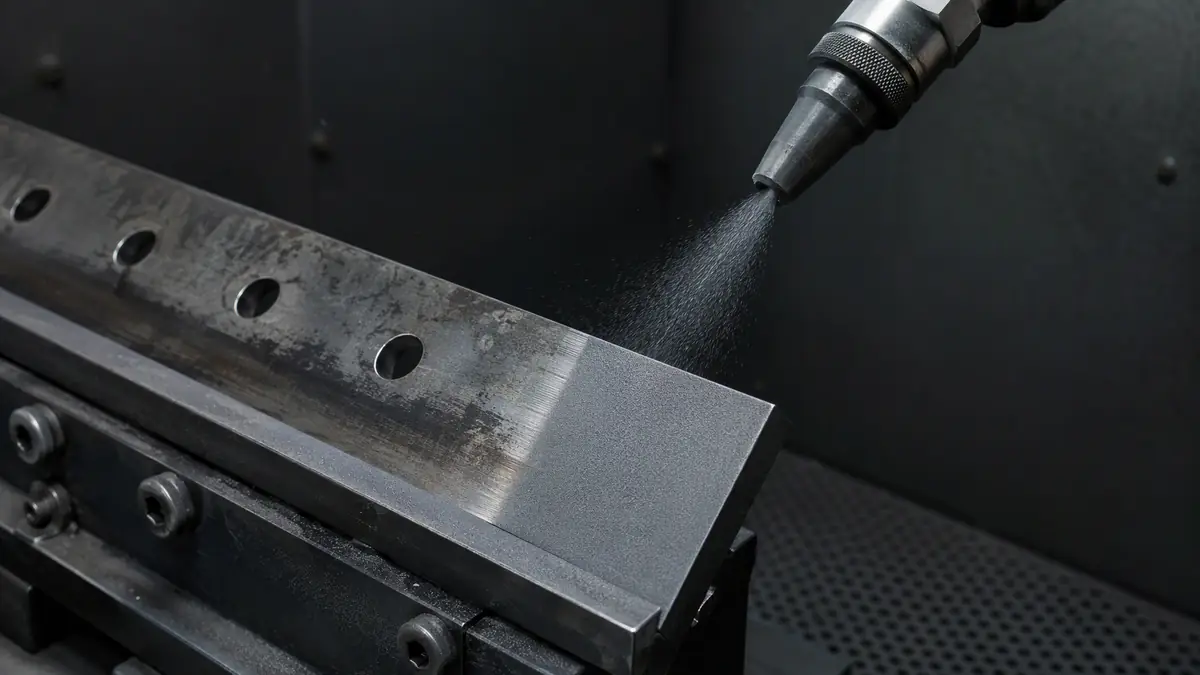
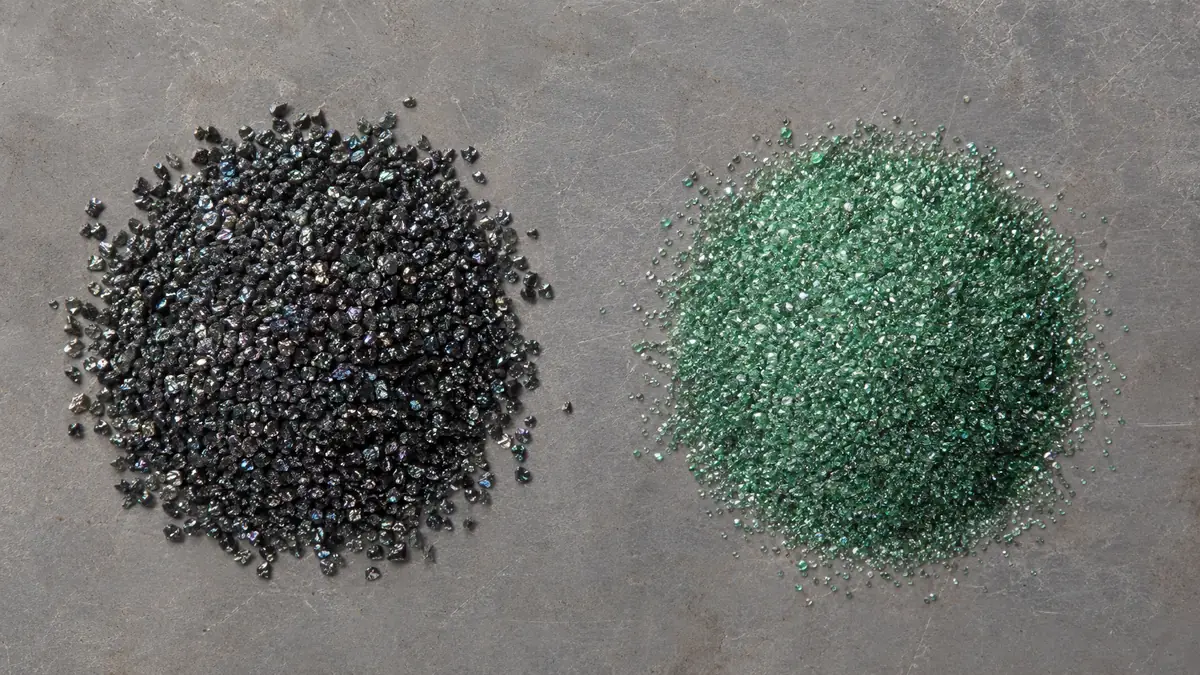
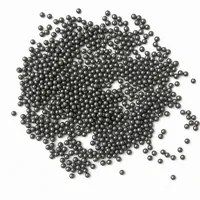
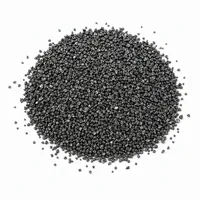
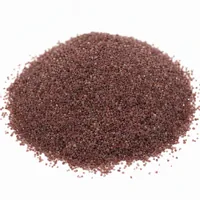
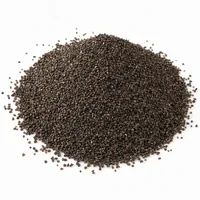
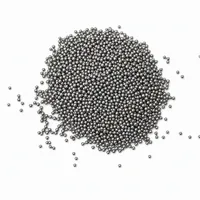
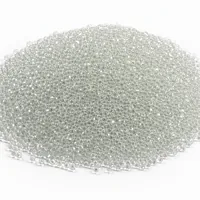
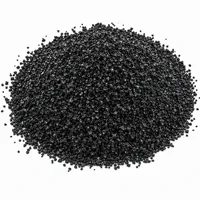
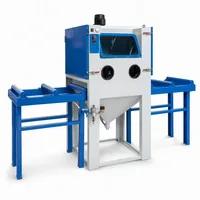
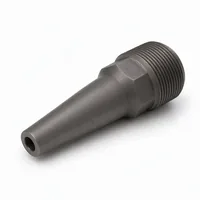
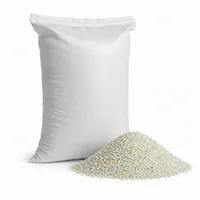
An industrial scene illustrating a specific use case where silicon carbide is justified. A worn D2 tool steel shear blade is being reconditioned inside a blast cabinet. A nozzle directs a precise stream of black SiC grit at the cutting edge, visibly transforming the surface from a worn sheen to a cl
The decision between silicon carbide and aluminum oxide should be driven by substrate hardness and the specific finishing objective. The following framework helps shops determine when the premium for SiC is warranted.
Applications Where SiC Is the Clear Choice
Tungsten carbide and chrome carbide hardfacing overlays. These deposits routinely reach 60–70 HRC and contain hard carbide particles in a tough matrix. Aluminum oxide struggles to cut the carbide phases uniformly, often producing an uneven profile. SiC grit cuts both the matrix and the carbides, yielding a more consistent surface for subsequent coating or service.
Hardened tool steels (D2, M2, H13 at full hardness). When these steels are heat-treated above 58 HRC, the hardness gap between the substrate and aluminum oxide narrows significantly. Blasting productivity drops, and media consumption rises sharply. SiC restores cutting efficiency.
Ceramic and cermet coatings. Post-thermal spray finishing of chromium oxide or tungsten carbide-cobalt coatings often requires light profiling or cleaning without damaging the coating. SiC's hardness allows controlled material removal without excessive pressure or dwell time.
Preparation for brazing or welding of carbide wear parts. Surface activation of tungsten carbide inserts or wear plates prior to brazing benefits from SiC's ability to create a clean, micro-roughened surface without embedding fractured media particles.
Applications Where Aluminum Oxide Is the Better Value
Mild steel, low-alloy steel, and non-hardened surfaces. On substrates below approximately 45 HRC, aluminum oxide cuts effectively and costs less. Using SiC on soft substrates accelerates grit breakdown without delivering a meaningful productivity gain.
General rust and scale removal. The hardness advantage of SiC is wasted on corrosion products and mill scale, which are significantly softer than either media type.
High-volume production blasting of non-critical surfaces. Where throughput and media cost dominate the economic equation, aluminum oxide or even garnet may be more appropriate.
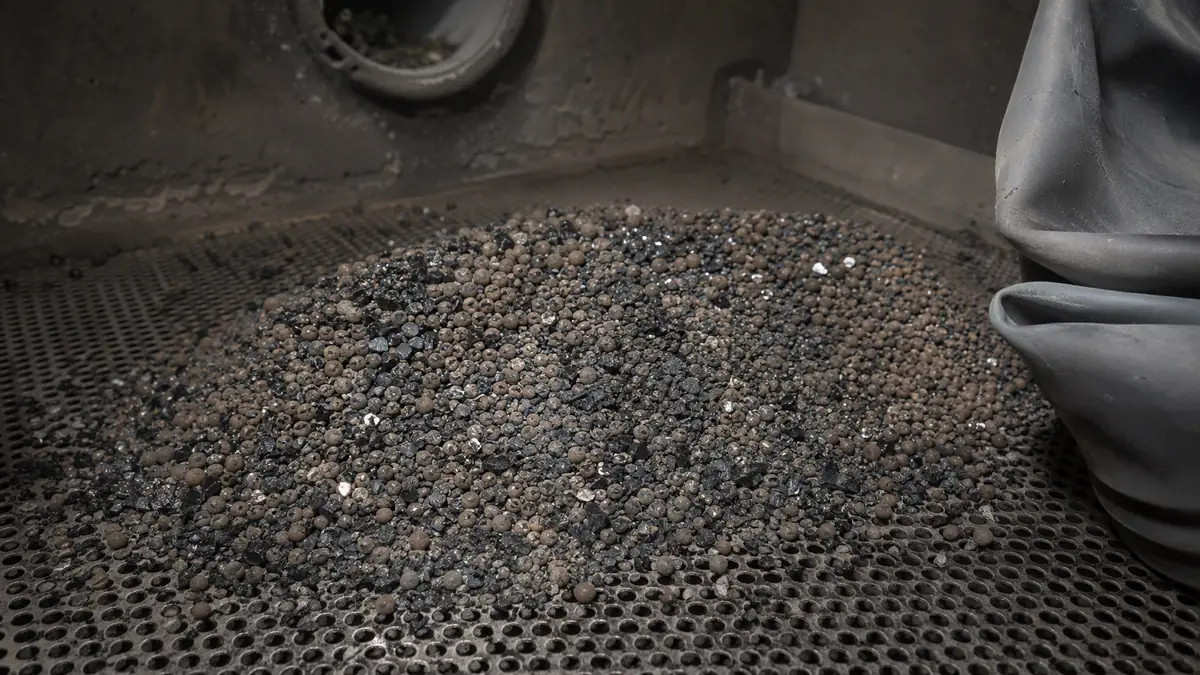
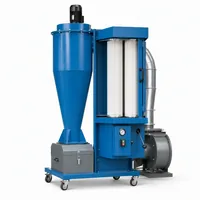
Applications requiring media recycling over many cycles. SiC's friability means it generates fines more quickly than aluminum oxide in recycling systems, potentially increasing dust collector loading and reducing the number of recycles achievable.